“Colonel Maggie”: The Star Who Went to War for the Troops
During the Vietnam War, thousands of miles from home, American soldiers lived with heat, mud, exhaustion and constant danger. Many of them were barely out of high school.
For a few hours at a time, the USO, the organization that brought entertainment to the troops, gave them something precious: a reminder of home.
Hollywood stars, singers, comedians and dancers flew into war zones to perform on makeshift stages, in hangars, on the backs of trucks and in open fields. The most famous were Bob Hope’s Christmas shows, which drew huge crowds of soldiers year after year.
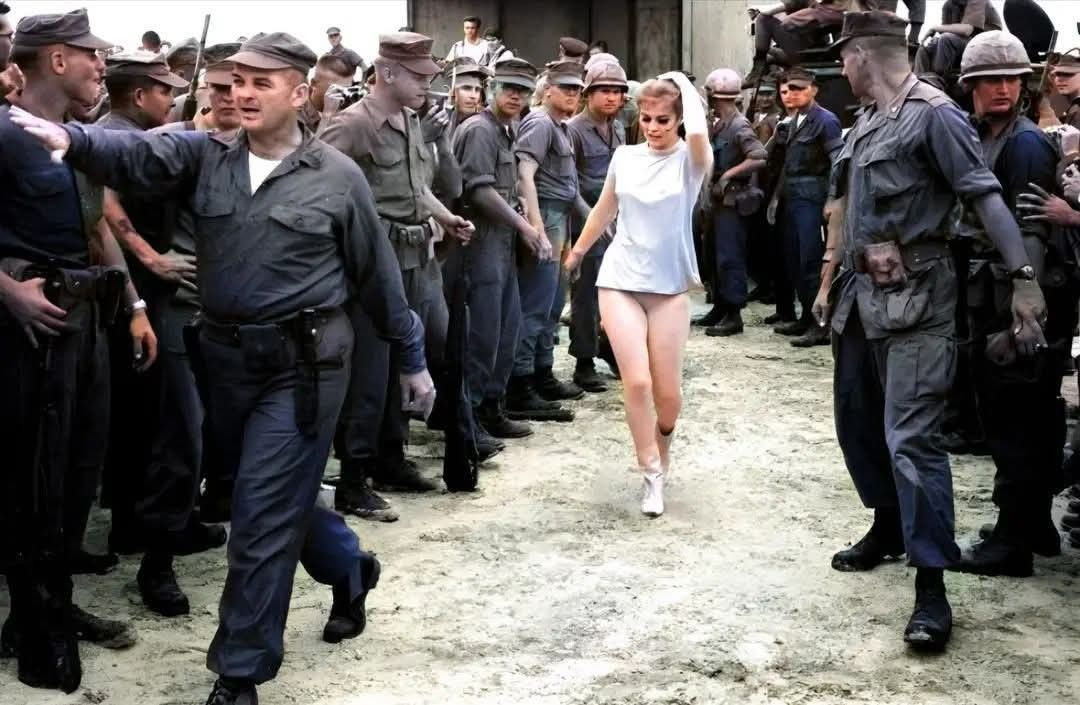
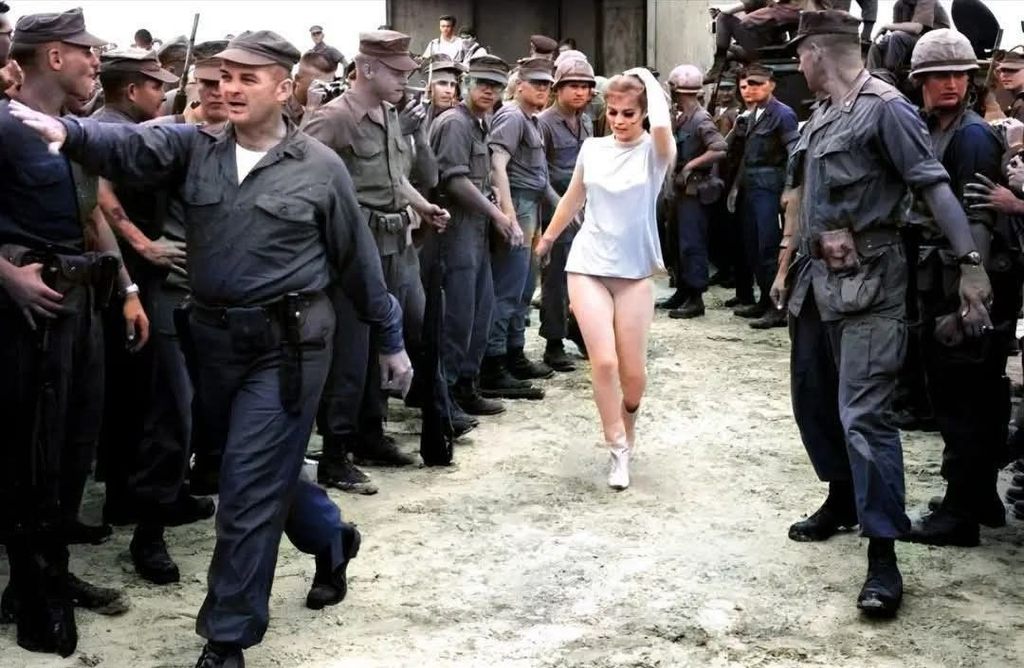
When a performer walked through a crowd of troops, smiling, waving and shaking hands, it lifted spirits like nothing else. For many soldiers, these shows were among their happiest memories of the war.
But one entertainer went much further than the rest.
The comedian with the big voice
Martha Raye was a Hollywood star known for her huge singing voice and wild comedy. She had appeared in films alongside some of the biggest names of the era and had her own television show.
She had also entertained troops before, in World War II and Korea. When the Vietnam War began, she didn’t just sign up for one tour. She went back again and again.
Going where others wouldn’t
Many USO shows were held at large, secure bases. Raye wanted to reach the soldiers who rarely saw anyone: small, remote outposts and Special Forces camps deep in dangerous territory.
She traveled by helicopter to isolated bases, often with no stage, no band and no audience bigger than a few dozen exhausted men. She sang, told jokes, ate with the soldiers and listened to them. She often stayed for weeks at a time, living as the troops lived.
The soldiers came to love her. They nicknamed her “Colonel Maggie.”
The day she became a nurse
The most famous story about Martha Raye comes from one of her visits to a remote camp.
According to the accounts of soldiers who were there, the base suddenly began receiving wounded men by helicopter. Casualties were coming in faster than the medical staff could treat them.
Raye had nursing training from earlier in life, and she didn’t hesitate. She took off her performer’s clothes, put on scrubs and went to work alongside the doctors for hours, helping treat the wounded.
Veterans told that story for the rest of their lives.
An honor no other woman received
The Green Berets, the Army’s Special Forces, made Martha Raye an honorary member and gave her the honorary rank of lieutenant colonel. She wore the green beret with enormous pride.
Decades later, in 1993, President Bill Clinton awarded her the Presidential Medal of Freedom, one of the highest civilian honors in the United States, for her service to American troops across three wars.
Her final wish
Martha Raye died in 1994. She had one last request: to be buried among the soldiers she loved.
The Army granted it. She was laid to rest with full military honors at the Special Forces cemetery at Fort Bragg, North Carolina, a rare honor for a civilian. Veterans came from across the country to say goodbye to “Colonel Maggie.”
What the USO meant
The photo with this story captures a moment repeated thousands of times during the war: a performer walking through a crowd of soldiers who had stopped, for a few minutes, thinking about the war.
For those men, it was more than a show. It was proof that someone back home remembered them. Martha Raye gave them that again and again, and when they needed more than a song, she gave that too.
This is a colorized wartime photo of a USO performer, and I can’t tell who she is from the picture. That’s why I wrote the story about USO shows and Martha Raye rather than claiming the photo shows a particular person. The “she worked as a nurse” story comes from veterans’ accounts, and some details of her nursing background have been questioned, which is why the blog presents it that way.